 Design a barndominium that fits your lifestyle, budget, and vision.

Standard Garage Door Sizes: Width, Height & Size Chart
Choosing the correct garage door is an important part of…
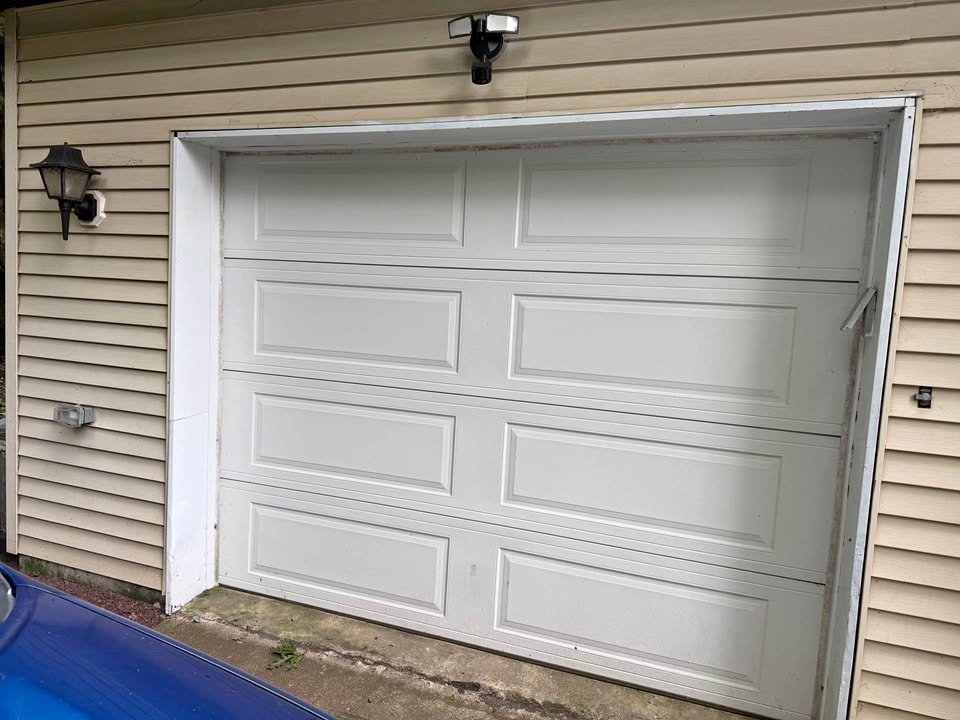
Choosing the correct garage door is an important part of building, renovating, or upgrading a garage. Whether you have a single-car garage, a two-car garage, or a larger space for trucks and recreational vehicles, understanding standard garage door sizes helps you make a more informed decision.
Garage doors are available in different widths and heights to accommodate various vehicles, architectural designs, and storage requirements. However, some dimensions are more common than others. For example, an 8-foot-by-7-foot or 9-foot-by-7-foot door is frequently used for single-car garages, while a 16-foot-by-7-foot door is a popular choice for double-car garages.
Selecting the wrong size can create unnecessary complications during installation. A door that is too narrow may make parking difficult, while insufficient height can prevent taller vehicles from entering comfortably.
This guide explains the most common residential garage door dimensions, differences between single and double doors, measuring techniques, and factors to consider before purchasing a replacement.
What Are the Standard Garage Door Sizes?
Standard garage door sizes refer to commonly manufactured dimensions designed to fit typical residential garage openings. Although there is no single universal size, manufacturers offer several frequently used widths and heights.
In the United States, the most common residential configurations include:
- Single garage doors: 8 feet or 9 feet wide by 7 feet high.
- Wider single garage doors: 10 feet wide by 7 feet high.
- Double garage doors: 16 feet wide by 7 feet high.
- Taller garage doors: 8 feet high, available in several widths.
- Oversized garage doors: Custom dimensions for larger vehicles and specialized garages.
The appropriate dimensions depend on the garage opening, vehicle clearance, available ceiling space, and the garage door system being installed.
It is important to understand that standard sizes are industry conventions rather than dimensions that every home must follow. Older properties, custom-built houses, and garages designed for specialized vehicles may require different measurements.
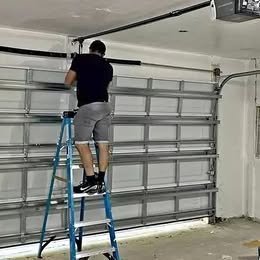
Standard Garage Door Size Chart
The following table summarizes commonly encountered residential garage door dimensions.
| Garage door type | Width | Height |
|---|---|---|
| Small single door | 8 ft | 7 ft |
| Standard single door | 9 ft | 7 ft |
| Wide single door | 10 ft | 7 ft |
| Single tall door | 8–10 ft | 8 ft |
| Small double door | 12 ft | 7 ft |
| Standard double door | 16 ft | 7 ft |
| Wide double door | 18 ft | 7 ft |
| Double tall door | 16–18 ft | 8 ft |
| Oversized door | Custom | Custom |
These dimensions are representative examples, not a guarantee that every manufacturer stocks every configuration. Product availability varies by brand, model, and location.
For instance, Clopay lists standard residential widths of 8, 9, 10, 12, 14, 15, 15½, 16, and 18 feet. Its listed standard heights range from 6 to 8 feet in 3-inch increments, with certain exceptions.
Standard Single Garage Door Sizes
A single garage door is designed to provide access for one vehicle. It is commonly installed in homes with a one-car garage or in properties where multiple individual garage entrances are preferred.
The most popular single garage door dimensions are 8 feet wide by 7 feet high and 9 feet wide by 7 feet high.
1. 8-Foot Wide by 7-Foot High Garage Door
An 8′ × 7′ garage door is a traditional single-car configuration.
It is commonly found in older residential properties and garages designed around smaller passenger vehicles.
Advantages include:
- Suitable for many compact and midsize vehicles.
- Fits many existing residential garage openings.
- Available in numerous materials and styles.
- Can be appropriate where exterior wall space is limited.
However, an 8-foot opening provides less room for maneuvering than wider alternatives. Drivers with larger vehicles may find parking and opening vehicle doors less convenient.
2. 9-Foot Wide by 7-Foot High Garage Door
A 9′ × 7′ garage door is another popular single-car option.
The additional foot of width provides more clearance, which can make entering and leaving the garage easier.
This configuration is particularly useful for:
- Midsize SUVs.
- Larger passenger cars.
- Some pickup trucks.
- Drivers who prefer additional parking clearance.
For homeowners replacing an older 8-foot garage door, moving to a 9-foot opening may be worth considering if the garage structure allows it.
However, increasing the opening width may require construction modifications rather than simply purchasing a larger door.
3. 10-Foot Wide by 7-Foot High Garage Door
A 10′ × 7′ door provides additional horizontal clearance for a single vehicle.
It may be suitable for larger vehicles or garages that need more maneuvering space.
Although 10-foot-wide single doors are available, they are not as universally common as 8-foot and 9-foot configurations.
Before choosing this size, check the available wall space, framing requirements, and garage layout.
Standard Double Garage Door Sizes
A double garage door is designed to accommodate two vehicles parked side by side.
The most common residential double garage door size is 16 feet wide by 7 feet high.
This configuration provides a single wide opening rather than two separate entrances.
1. 16-Foot Wide by 7-Foot High Garage Door
A 16′ × 7′ garage door is one of the most recognizable residential double-door configurations.
It provides sufficient width for many two-car garages and is commonly used in suburban homes.
Key benefits include:
- One large entrance for two vehicles.
- Convenient access to the garage interior.
- A clean exterior appearance.
- Compatibility with many standard residential garage layouts.
However, the actual parking experience depends on vehicle width, garage interior dimensions, and available space between the vehicles.
A 16-foot door does not automatically guarantee comfortable parking for two large SUVs or pickup trucks.
2. 18-Foot Wide by 7-Foot High Garage Door
An 18′ × 7′ garage door provides two additional feet of width compared with a 16-foot door.
That extra clearance can make a noticeable difference for households with larger vehicles.
It may also provide more flexibility when entering or exiting the garage.
This size is worth considering when:
- Two larger vehicles share the garage.
- Drivers want additional maneuvering room.
- The garage opening was designed for a wider door.
- The property has sufficient structural space.
3. 16-Foot Wide by 8-Foot High Garage Door
A 16′ × 8′ garage door offers the same width as the traditional double-door configuration but provides an additional foot of vertical clearance.
It can be useful for taller SUVs, vans, pickup trucks, and vehicles equipped with roof accessories.
The increased height also provides greater flexibility if the homeowner changes vehicles in the future.
However, the garage must have sufficient wall height, ceiling clearance, and appropriate track arrangements.
4. 18-Foot Wide by 8-Foot High Garage Door
An 18′ × 8′ door is a larger residential option that combines additional width and height.
It may suit garages designed for two larger vehicles or homeowners who want more generous entrance clearance.
Because this configuration requires a larger opening and suitable supporting structure, professional planning is particularly important.
Standard Garage Door Height
Garage door height determines the vertical clearance available when a vehicle enters or exits the garage.
For many residential properties, 7 feet is the traditional standard garage door height. However, 8-foot doors are also widely available.
The correct height depends on the vehicle and the garage structure.
7-Foot Garage Door Height
A 7-foot-high garage door is suitable for many passenger vehicles, compact SUVs, and standard-height pickup trucks.
It is frequently found in older and newer residential properties.
Advantages include:
- Compatibility with many existing garage openings.
- Broad availability.
- Suitability for many everyday vehicles.
- Potentially lower modification requirements when replacing an existing 7-foot door.
Nevertheless, homeowners should measure the total vehicle height rather than assuming that every SUV or pickup will fit.

8-Foot Garage Door Height
An 8-foot garage door provides additional vertical clearance.
It may be preferable for:
- Taller pickup trucks.
- Larger SUVs.
- Certain vans.
- Vehicles with roof racks.
- Garages designed with higher ceilings.
The extra foot can provide valuable flexibility, particularly when a household expects to change vehicles in the future.
However, choosing an 8-foot door does not automatically mean the existing garage can accommodate it. The opening, header, ceiling, tracks, and opener arrangement must all support the larger door.
9-Foot and Taller Garage Doors
Garage doors taller than 8 feet are less typical in ordinary residential construction.
They are generally associated with specialized garages, larger vehicles, recreational vehicles, and certain custom residential projects.
For example, a garage designed for an RV may require a substantially taller opening than a standard passenger-car garage.
Custom dimensions should be selected according to the actual vehicle measurements and the manufacturer’s available door specifications.
Standard Garage Door Width
Garage door width affects how easily vehicles enter the garage and how much horizontal clearance is available.
The most appropriate width depends on the number of vehicles, their dimensions, and the garage’s overall design.
Common residential widths include:
- 8 feet.
- 9 feet.
- 10 feet.
- 12 feet.
- 14 feet.
- 15 feet.
- 15½ feet.
- 16 feet.
- 18 feet.
These widths are not equally common across all residential applications.
For example, 8- and 9-foot widths are frequently associated with single-car garages, whereas 16- and 18-foot widths are commonly used for double-car garages.
Some manufacturers also offer custom widths in smaller increments.
Single Garage Door vs. Double Garage Door
Homeowners building a two-car garage often need to decide between one large double garage door and two individual single garage doors.
Both arrangements can work well, but each offers different practical advantages.
| Feature | Single doors (two openings) | One double door |
|---|---|---|
| Typical configuration | Two 8–9 ft doors | One 16 ft door |
| Vehicle access | Separate entrances | Shared entrance |
| Exterior appearance | Two distinct openings | One wide opening |
| Door operation | Two door systems | One door system |
| Replacement | Each door can be replaced separately | Entire door is replaced |
| Parking flexibility | Independent entrances | Shared access |
Advantages of Two Single Garage Doors
Two individual garage doors can provide greater separation between parking spaces.
Other advantages include:
- Independent door operation.
- Separate access for each vehicle.
- Smaller individual door panels.
- Flexibility when replacing or servicing one door.
However, two doors require additional tracks, hardware, and potentially two openers.
Advantages of One Double Garage Door
A single double door creates one wide entrance.
Its advantages include:
- A simpler exterior opening.
- Convenient access for vehicles.
- Potentially fewer opener systems.
- A more open entrance for larger items.
However, a double door is a larger moving structure, and its weight, spring system, and track requirements must be correctly specified.
The best choice depends on personal preferences, garage construction, budget, and maintenance considerations.

How to Measure a Garage Door Correctly
Accurate measurements are essential when purchasing a replacement garage door or planning a new installation.
One common mistake is measuring only the existing door panel. The installation also depends on the opening and the surrounding space.
Before ordering a door, measure the following five areas.
1. Measure the Opening Width
Measure the horizontal distance between the inside edges of the finished garage door opening.
Take measurements at:
- The top.
- The middle.
- The bottom.
If the measurements differ, record all three rather than assuming that the opening is perfectly square.
2. Measure the Opening Height
Measure from the finished garage floor to the top of the opening.
Take measurements on both the left and right sides.
This helps identify uneven floors or differences in the opening height.
3. Measure the Side Room
Side room refers to the available space on either side of the garage door opening.
This area is needed for the vertical tracks, brackets, and associated hardware.
The required clearance depends on the door system and manufacturer.
For example, Clopay identifies a minimum of 3¾ inches on each side for certain standard residential track and spring configurations.
Do not assume that this measurement applies to every door system.
4. Measure the Headroom
Headroom is the distance between the top of the garage door opening and the ceiling or nearest obstruction.
It is needed for the horizontal tracks, springs, and door movement.
The required amount varies by spring system, track configuration, and opener.
Clopay’s general guidance identifies minimum clearances of:
- 10 inches for certain extension-spring configurations.
- 12 inches for certain torsion-spring configurations.
An opener may require additional space.
Low-headroom track systems are available for garages with limited overhead clearance.
5. Measure the Backroom
Backroom is the distance from the garage door opening toward the rear wall of the garage.
It determines whether there is sufficient space for the door to travel along the horizontal tracks.
Clopay recommends a minimum backroom distance equal to the door height plus 18 inches for its general residential measuring guidance.
The final requirement must still be checked against the selected door and opener specifications.
Garage Door Measurement Checklist
Before contacting a supplier, record:
- Opening width.
- Opening height.
- Left-side clearance.
- Right-side clearance.
- Headroom.
- Backroom.
- Ceiling obstructions.
- Vehicle height and width.
These measurements provide a useful starting point for obtaining an accurate quotation.
For new construction or structural changes, have the opening and supporting framing checked by an appropriately qualified professional.
What Size Garage Door Do You Need for Different Vehicles?
Vehicle dimensions are among the most important considerations when choosing garage door sizes.
A door that technically accommodates a vehicle may still be inconvenient if there is little room to maneuver.
Consider both vehicle height and width, including mirrors and accessories.
Compact Cars
Compact cars generally work well with standard single-car garage doors.
An 8′ × 7′ or 9′ × 7′ door may be suitable, provided the garage interior offers sufficient clearance.
Sedans
Most standard-height sedans can use traditional residential garage door dimensions.
A 9-foot-wide opening can provide additional entry clearance compared with an 8-foot opening.
SUVs
SUV dimensions vary considerably.
Some smaller models fit comfortably through traditional 7-foot-high doors, while larger models may benefit from additional vertical clearance.
Measure the actual vehicle, including roof accessories.
Pickup Trucks
Pickup trucks can have substantial variations in height and width.
A standard 7-foot door may be suitable for some models, but taller configurations may require an 8-foot or custom-height opening.
Lifted vehicles need particularly careful clearance checks.
Vans
Passenger and commercial vans can be taller than ordinary cars.
An 8-foot or custom-height door may be appropriate depending on the specific vehicle.
Recreational Vehicles
RVs often require specialized garage openings.
Their dimensions can vary substantially, so homeowners should measure the vehicle and allow appropriate clearance before planning the structure.
A conventional residential garage door should not be assumed to accommodate an RV.
Factors to Consider When Choosing the Right Garage Door Size
Selecting the correct dimensions involves more than matching a standard size chart.
Several factors influence whether a garage door will work effectively.
1. Vehicle Dimensions
Start by measuring the vehicles that will use the garage.
Consider:
- Vehicle body width.
- Total height.
- Side mirrors.
- Roof racks.
- Antennas and other accessories.
- Potential future vehicle changes.
Allow sufficient clearance for comfortable entry and exit.
2. Garage Interior Dimensions
A wide door does not necessarily mean the garage interior can accommodate two large vehicles.
Measure the internal width and depth.
Also consider whether there is room for:
- Storage shelves.
- Workbenches.
- Bicycles.
- Garden equipment.
- Walking space around parked vehicles.
3. Ceiling Height
Ceiling height influences the type and dimensions of the garage door system that can be installed.
An 8-foot-high door may require modifications if the garage was originally designed for a 7-foot door.
4. Garage Door Opener Compatibility
Garage door openers must be compatible with the door’s size, weight, travel distance, and track configuration.
Taller doors may require different opener rail arrangements or extension kits.
Always check the manufacturer’s compatibility requirements.
5. Garage Door Material
The material can influence the door’s weight and structural requirements.
Common materials include:
- Steel: Popular for its durability and relatively low maintenance.
- Aluminum: Often selected for contemporary designs and lighter construction.
- Wood: Offers a traditional appearance but generally requires more maintenance.
- Composite: Can provide the appearance of wood with different maintenance characteristics.
- Fiberglass: Available in certain models and architectural styles.
The door’s actual weight depends on its construction, insulation, reinforcement, and dimensions.
6. Insulation Requirements
Insulation is worth considering when the garage is attached to the home, used as a workshop, or located in an area with significant temperature changes.
Larger doors may have different insulation options depending on the manufacturer and product range.
Consider the garage’s intended use rather than choosing insulation based only on door dimensions.
7. Future Needs
Think about how the garage may be used in the future.
A homeowner who currently owns a sedan may eventually purchase a larger SUV or pickup truck.
Planning suitable clearance from the beginning can reduce the likelihood of expensive structural changes later.
What Are Oversized and Custom Garage Door Sizes?
Not every garage fits conventional residential dimensions.
Custom garage doors are available for properties with unusual openings, larger vehicles, specialized storage needs, or distinctive architectural requirements.
Common reasons for choosing custom dimensions include:
- Recreational vehicle storage.
- Commercial-style residential workshops.
- Oversized pickup trucks.
- Tall vans.
- Historic properties.
- Custom-designed homes.
- Unusual garage opening dimensions.
Manufacturers offer different custom sizing capabilities.
For example, Amarr states that its residential doors are available in widths ranging from 6 to 20 feet in 2-inch increments and heights ranging from 6 feet 6 inches to 12 feet, depending on the product.
This demonstrates why checking individual manufacturer specifications is important.
A custom-sized door may require specialized tracks, springs, reinforcement, and an appropriately rated opener.
Common Garage Door Sizing Mistakes to Avoid
Even relatively small measurement errors can create problems when ordering a garage door.
Avoid these common mistakes.
Mistake 1: Measuring the Existing Door Instead of the Opening
The existing door panel does not always provide enough information for a replacement order.
Measure the opening and the surrounding installation space.
Mistake 2: Ignoring Vehicle Accessories
Roof racks, cargo carriers, and other accessories increase the overall vehicle height.
Measure the vehicle in the configuration in which it will enter the garage.
Mistake 3: Assuming All Manufacturers Offer Identical Sizes
Manufacturers have different product ranges and custom-order options.
Confirm the exact available dimensions before making a purchase.
Mistake 4: Forgetting Headroom
A door may match the opening but still be unsuitable if there is insufficient space above it for the selected hardware.
Mistake 5: Ignoring Side Room
Vertical tracks require space beside the opening.
Insufficient side clearance may require a different track arrangement or structural modifications.
Mistake 6: Choosing a Door Based Only on Price
A lower-priced door may not provide the required dimensions, insulation, durability, or hardware compatibility.
Compare the complete installation specifications rather than looking at the door price alone.
Frequently Asked Questions About Standard Garage Door Sizes
1. What is the most common standard garage door size?
The most common residential single-door sizes are 8 feet wide by 7 feet high and 9 feet wide by 7 feet high. For double garages, 16 feet wide by 7 feet high is a popular configuration.
2. What is the standard size of a single garage door?
A typical single garage door measures 8 or 9 feet wide and 7 feet high. Wider options, including 10-foot doors, are also available.
3. What is the standard size of a double garage door?
A common double garage door measures 16 feet wide by 7 feet high. An 18-foot-wide door is another option for garages requiring additional clearance.
4. Are 8-foot-tall garage doors standard?
Eight-foot-tall garage doors are widely available, although 7 feet remains a traditional residential height. An 8-foot door can provide additional clearance for taller vehicles.
5. Can I replace an 8-foot garage door with a 9-foot door?
Possibly, but only if the garage structure can accommodate the wider opening. The project may require changes to the framing, header, tracks, and surrounding structure. A qualified installer should assess the opening before work begins.
6. What size garage door do I need for two SUVs?
A 16-foot-wide double garage door may accommodate two SUVs, depending on their dimensions and the garage interior. An 18-foot-wide door may offer additional maneuvering space. Measure both vehicles before selecting a size.
7. What is the standard garage door height for an SUV?
Many SUVs can fit through a 7-foot-high garage door, but vehicle dimensions vary. Taller SUVs and vehicles with roof racks may benefit from an 8-foot opening.
8. How much space is needed above a garage door?
The required headroom depends on the spring system, track arrangement, and opener. Some conventional residential configurations require approximately 10–12 inches, while other systems require more. Always follow the manufacturer’s specifications.
9. Are garage door sizes measured in feet or inches?
In the United States, garage door dimensions are commonly expressed in feet and inches. A 16′ × 7′ door measures 16 feet wide and 7 feet high.
10. Can a garage door be made to a custom size?
Yes. Many manufacturers offer custom dimensions for residential and specialized applications. Available widths, heights, and increments vary by product.
11. Is a 16-foot garage door wide enough for two cars?
A 16-foot door can accommodate two typical passenger vehicles in many residential garages. However, larger vehicles may require more maneuvering room. The internal garage width is also important.
12. Does the garage door size include the frame?
Garage door dimensions generally refer to the door or opening dimensions specified by the manufacturer, not the entire exterior wall or surrounding frame. Confirm whether a supplier is asking for the finished opening, rough opening, or actual door size.
13. What is the difference between rough opening and finished opening?
The rough opening refers to the framed structural opening, while the finished opening accounts for the completed opening and its surrounding surfaces. Terminology can vary between suppliers, so clarify exactly which measurement is required before ordering.
14. How much clearance should I leave around my vehicle?
There is no single clearance measurement that works for every garage. Consider the vehicle’s body width, mirrors, door-opening space, and the available room around parked vehicles. A wider entrance can improve access, but interior space matters too.
15. Should I choose a 7-foot or 8-foot garage door?
Choose based on your vehicle height and the garage structure. A 7-foot door works for many standard vehicles, while an 8-foot door provides additional vertical clearance for taller models and accessories.
Final Thoughts: Choosing the Right Standard Garage Door Size
Understanding standard garage door sizes makes it easier to select a door that fits your property, vehicles, and everyday needs.
For many residential garages, the most common configurations are:
- 8′ × 7′: Traditional single-car garage door.
- 9′ × 7′: Wider single-car garage door.
- 10′ × 7′: Extra-wide single-car option.
- 16′ × 7′: Popular double-car garage door.
- 18′ × 7′: Wider double-car option.
- 16′ × 8′: Taller double-car garage door.
However, the most popular size is not necessarily the best choice for every property.
Before purchasing a garage door, measure the opening, check the available headroom and side room, consider the dimensions of your vehicles, and verify the manufacturer’s specifications.
If you are planning a new garage or replacing an existing door, professional advice can help prevent measurement errors and unnecessary structural modifications.