 Design a barndominium that fits your lifestyle, budget, and vision.
How Rural Living Can Improve Your Quality of Life Today
Learn what rural living means, how it affects your health and work, and whether country life in a rural neighborhood can improve your quality of life.
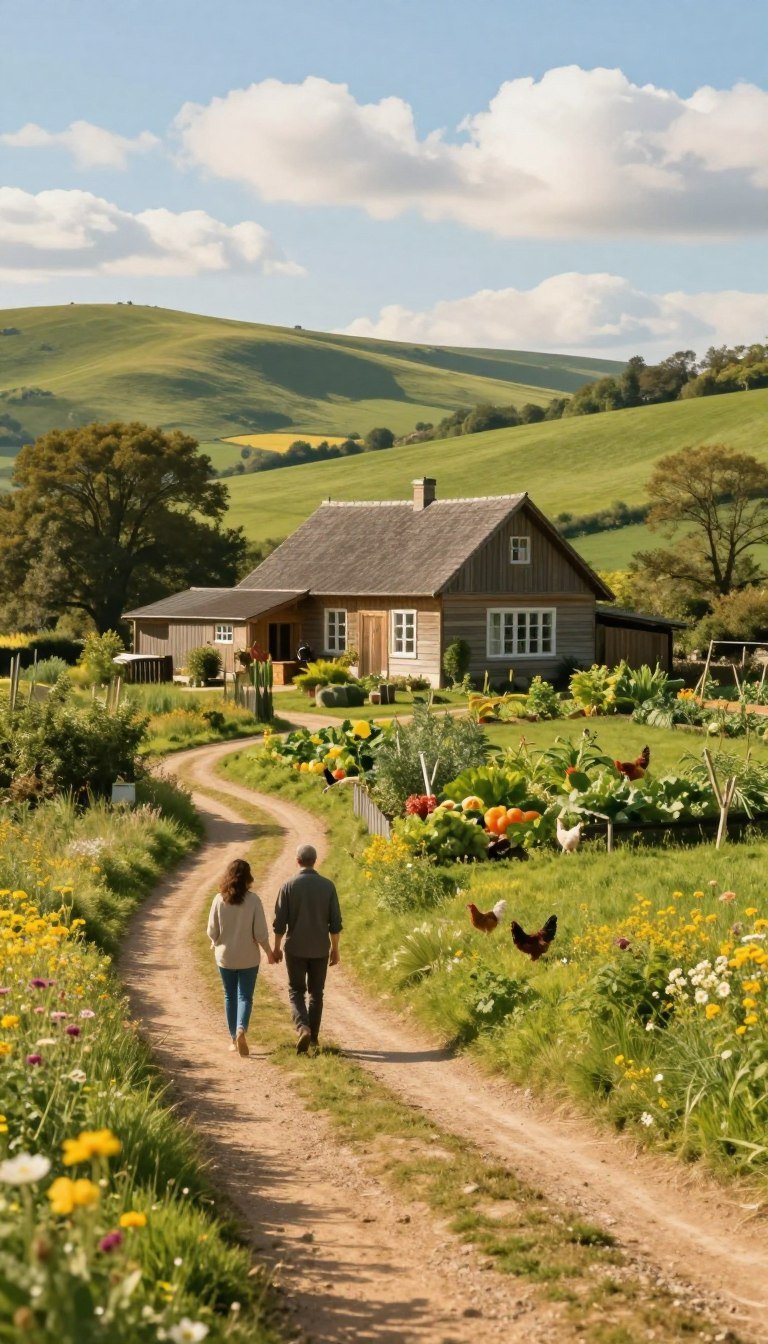
Picture stepping onto a porch at sunrise. You hear a burbling creek, breathe crisp air, and spot deer near the tree line. For many people, that quiet scene offers a welcome change from busy streets and crowded schedules.
Land Development Realities reports that space and privacy top the reasons buyers choose this rural living. Many call five acres or more the “sweet spot” for a home, room to roam, and a closer connection to nature. Mountain views and possible sightings of deer or elk can add to the appeal.
Families may value the peace, quieter surroundings, and a stronger sense of connection to the environment. These benefits depend on your needs and location; they are not guaranteed. More space can also mean fewer nearby services, a longer commute, or less access to some kinds of work.
Across the United States, newcomers are choosing places such as Idaho, Montana, Northern Arizona, parts of the Midwest, and New England. This article weighs the possible gains and trade-offs so you can decide whether a move beyond the city fits your life.
Table of Contents
What Rural Living Means in the United States
In the United States, this term describes places with more open land, fewer nearby buildings, and less traffic than many suburbs or cities. There is no single lot size that defines the experience. Land Development Realities calls five acres or more a “sweet spot” for some buyers, but property needs and local rules vary.
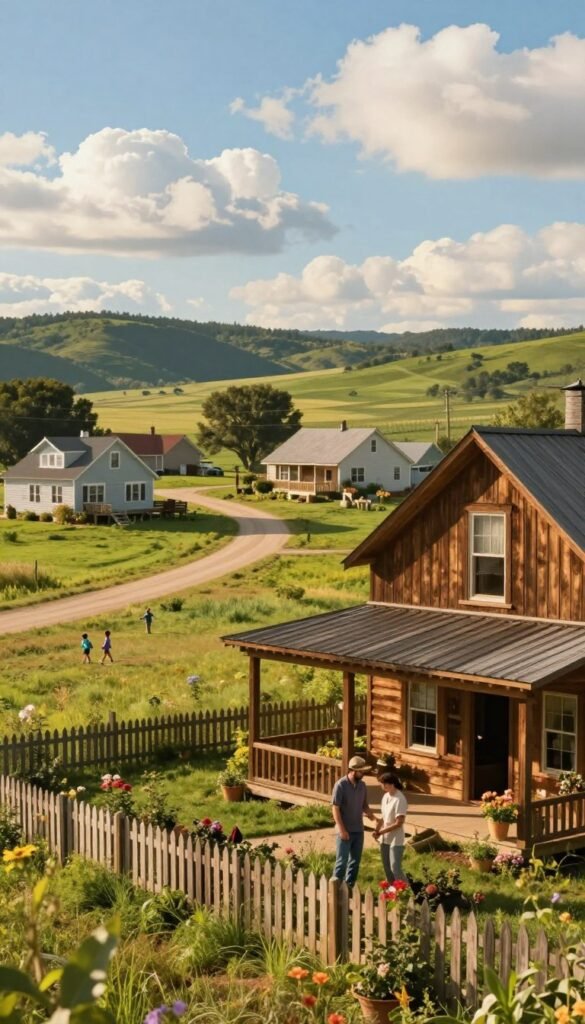
How neighborhoods differ from city and suburban areas
Urban living often puts hospitals, schools, shops, and entertainment closer at hand. In rural communities, those trips may take longer and shape family schedules. Bus routes, school pickup times, snow removal, and emergency response can also vary. Check local services and amenities before you move.
Can you enjoy country life near neighbors?
Yes. A country lifestyle can mean quiet roads, nearby nature, and a slower pace without complete isolation. People may live close enough to form a community while still having room for privacy. Idaho, Montana, Northern Arizona, parts of the Midwest, and New England attract newcomers, but access and options differ by location. Compare daily travel needs with the setting you want.
Ways Rural Living Can Improve Your Quality of Life
The right country setting can give you more room to shape each day. The benefits depend on your needs, budget, and location.
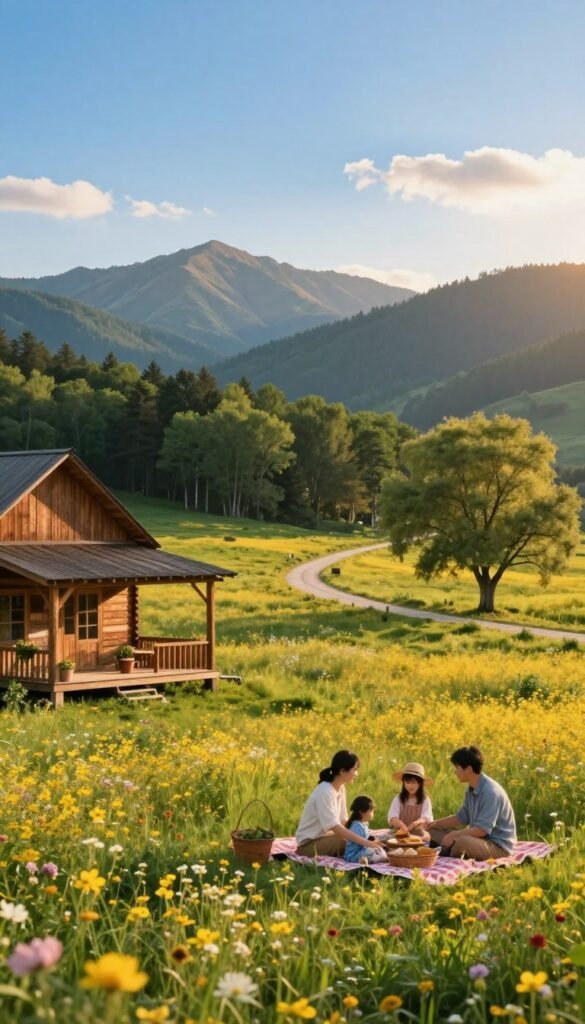
Enjoy more space, privacy, and connection with nature
Land Development Realities reports that buyers often rank space and privacy as top reasons for choosing this lifestyle. Some see five acres or more as the “sweet spot.” Open views of mountains, foothills, rivers, or waterfront can deepen your sense of connection with nature. Deer, elk, and barnyard animals may also become part of the scenery.
Embrace a slower pace, less noise, and greater peace
Less traffic and quiet outdoor moments may ease stress and support a slower pace. Fresh air and room to explore can make time outside feel more accessible. Still, noise levels and daily rhythms vary across areas and households.
Build community while weighing access to services and amenities
In rural communities, neighbors may connect through local events or small favors. Yet distance can limit casual contact and access to services. Roads, utilities, construction options, and critical amenities also affect costs. Consider future needs: maintaining 20 acres at 35 may feel different 30 years later.
How Rural Life Can Shape Your Health and Work
A move beyond city limits can change how you manage care, earn income, and plan each week. Your local environment, job, and household needs all matter.
How your health may respond to a country setting
How does living in a rural area affect health? Quieter surroundings and fresh air may ease stress, but they do not promise better health. Some areas have fewer hospitals, so basic care may require a long drive. Before moving, check clinic locations, emergency response times, insurance networks, and access to services.
How people earn a living beyond city centers
How do people in rural areas make a living? Land Development Realities notes that job sectors can be limited, especially for specialized fields. Commuting and remote work offer options, but slow internet or weak cell service can disrupt work and online education.
Compare job openings and connection quality. Also consider education and emergency care for all family members. These checks can help you decide whether available opportunities fit your life and your household.
Conclusion
Choosing rural living can bring more land, quiet, and privacy, along with a closer bond with nature. Land Development Realities reports that five acres or more is a common buyer preference, not a rule for every household.
Before you decide, check how each location supports your daily life. Hospitals, schools, and other services vary across communities. Your work plan matters, too: commuting, remote work, and fewer openings in some fields can shape your options.
Weigh these advantages against your needs for space, privacy, services, and a sense of community. A country lifestyle should fit your plans now and later. Land needs can change with age; maintaining 20 acres at 35 may feel different 30 years later. Choose a property that suits the future you want to create.